


I arrived in Egypt curious, but I did not expect it to capture my heart.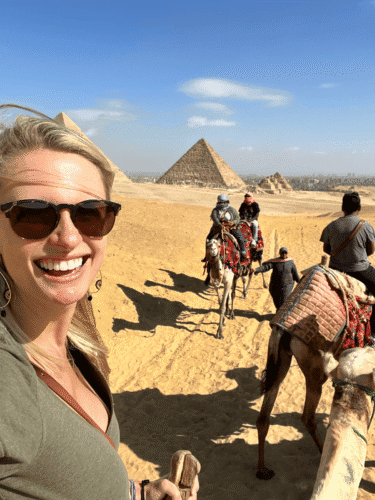
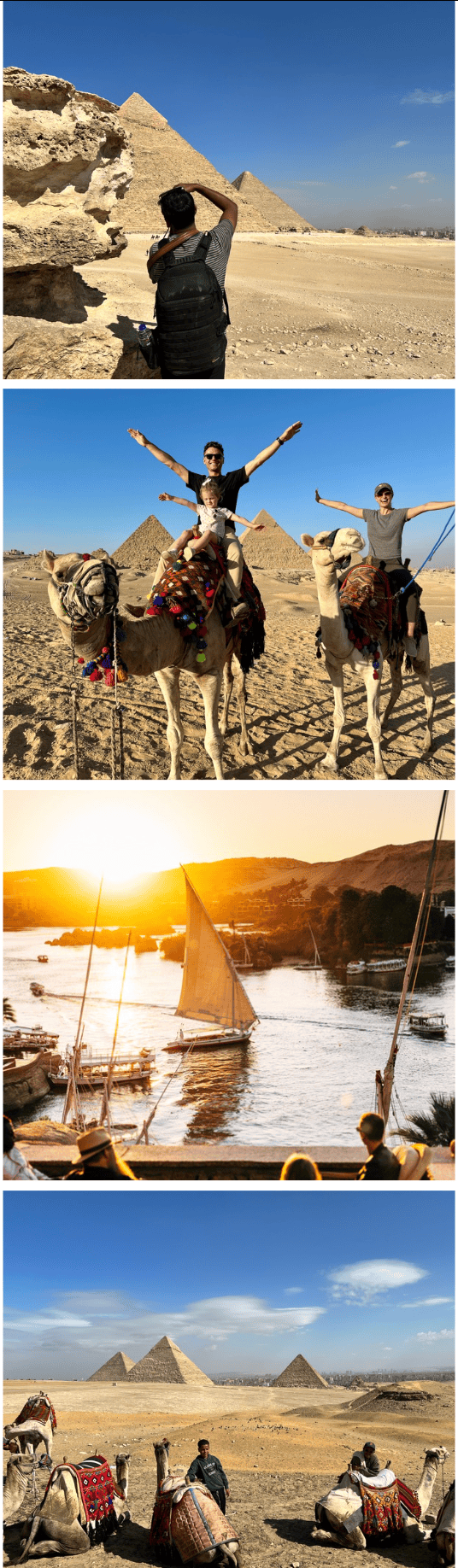
History had never been a particular interest of mine. I understood why it mattered, but to me, Egypt’s temples, tombs and pharaohs belonged in books and classrooms. Then I stood in front of the pyramids and everything changed.
It’s difficult to prepare for the scale of Egypt’s history. Photographs and dates cannot replicate being surrounded by monuments created thousands of years ago. Your eyes take in the size and detail while your mind tries to comprehend the time, skill and human effort behind it all. It is an overload for the senses and imagination.
Egypt made history feel human. These were no longer distant names and dates, but people who built cities, created art and tried to make sense of life and death. Walking through temples with a brilliant Egyptologist, descending into tombs, visiting dig sites and watching life unfold along the Nile brought those layers together in a way no book could.
I became, somewhat unexpectedly, a history convert.
That first trip reinforced something I believe deeply: experiencing a place can change how we understand it and how much we care about it.
Egypt made me want to keep learning because I genuinely wanted to know more. Every answer opened another question, and the more I understood, the more remarkable its temples, hieroglyphs and stories became.
Its history is not contained within one museum or archaeological site, it is everywhere. Ancient monuments sit beside modern cities. Cairo is full of noise, movement and conversation, while the Nile follows a completely different rhythm. Luxor has temples and tombs in every direction. Beyond the physical landmarks, Egypt’s energy and culture felt unlike anything I had experienced before.
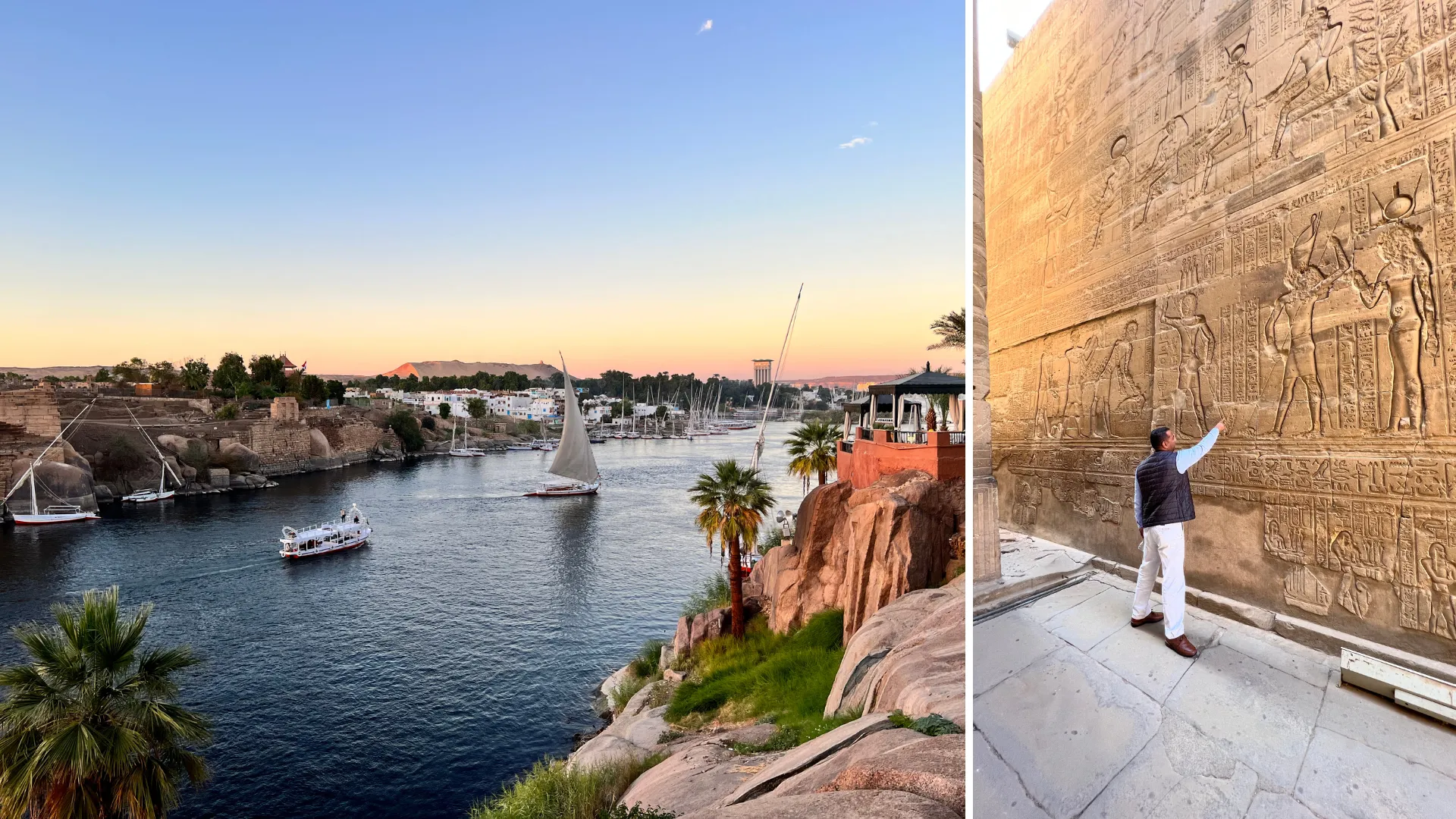
I have since returned with our two young daughters, and seeing Egypt through their eyes added a completely new dimension.
Children do not need to understand every dynasty or remember every name for a trip to have value. They learn by standing inside a temple, seeing the scale of a statue and asking how anyone built something so enormous without modern machinery.
The best way to describe it is a living classroom. Learning happened while sailing down the Nile, tasting something new, hearing another language and watching how people live. One completely unplanned moment remains a favorite: watching Savvy paint as we cruised along the river…simply dreamy.
A successful family trip should not turn every day into a history lesson. Children need time to swim, rest, play and simply be somewhere new. The right guide knows when to tell a story, answer a question or recognize that everyone has absorbed enough for one morning. Traveling with our daughters confirmed that learning through lived experience is one of the greatest gifts we can give our children, and ourselves.
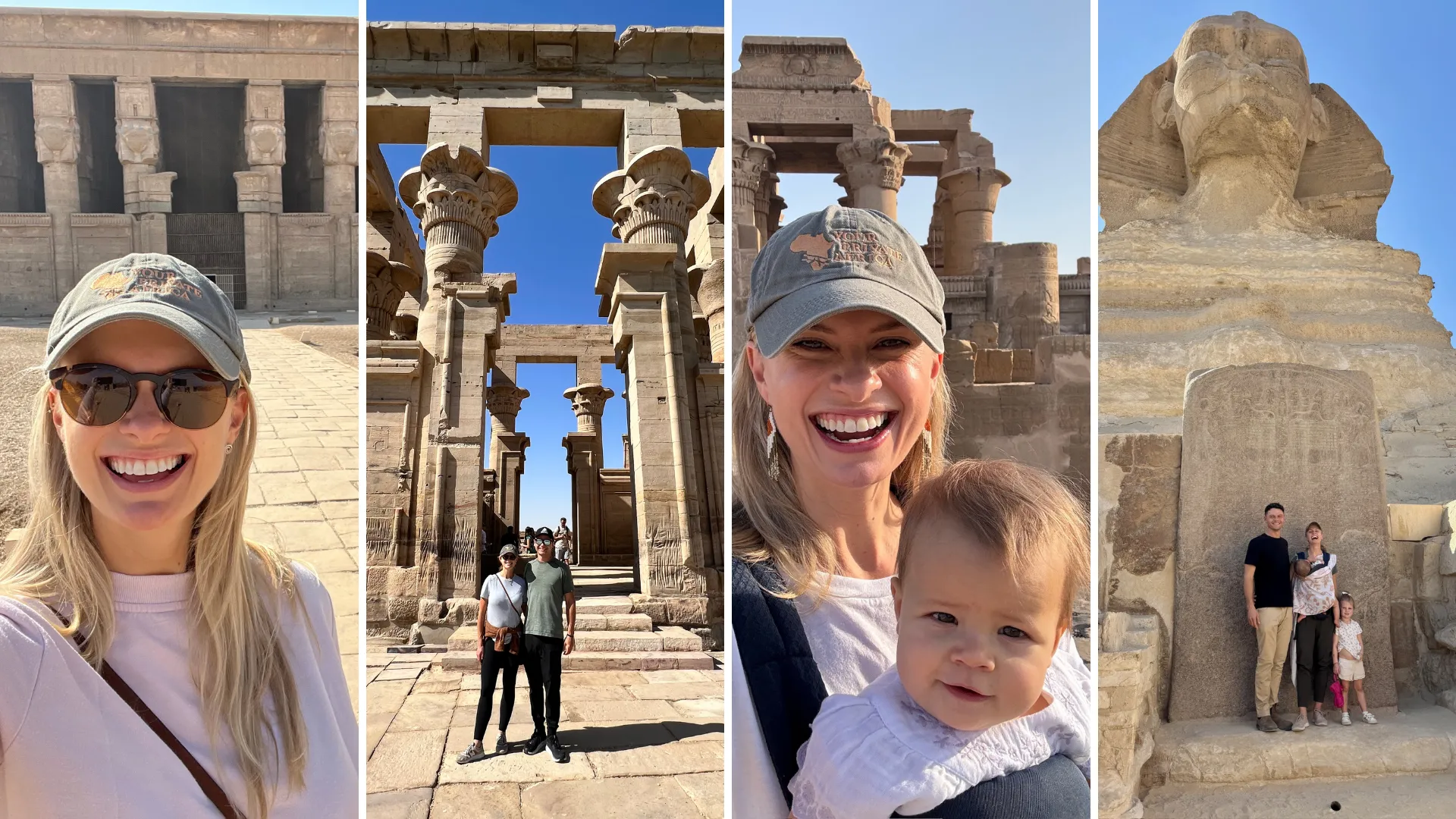
Egypt can feel overwhelming. There is so much to see, and the temptation is to fit every famous monument into one itinerary. I would begin somewhere more personal: what do you want to understand, and how do you want the trip to feel?
Some travelers want to explore ancient history deeply, while others are drawn to archaeology, architecture, religion or contemporary culture. Families may want to bring school subjects to life without overloading younger travelers. Those answers shape everything that follows.
A knowledgeable private Egyptologist is one of the most important choices we make. The right person does more than recite facts. They read the group, connect the sites and make thousands of years of history understandable. For families, we look for someone who can adapt to different ages and attention spans.
Pacing matters just as much. Cairo can be intense after a long flight, so we consider arrival times, jet lag, hotel location and the order of each day. A private boat creates breathing room between temples, while carefully timed visits in Luxor offer a different perspective on its busiest sites.
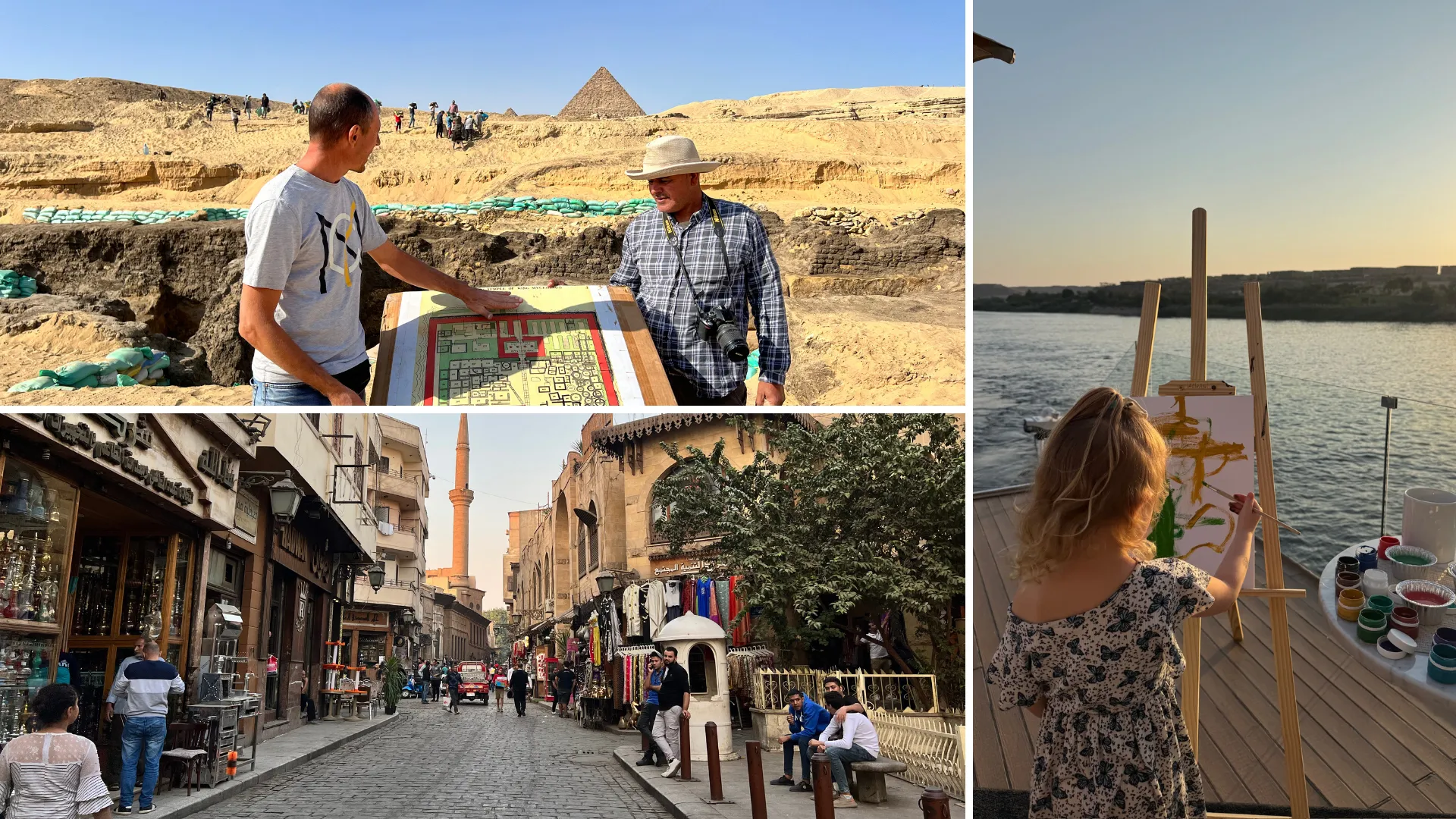
Combine Cairo with the Nile and Luxor. Explore Giza, Saqqara and the Grand Egyptian Museum before sailing between Aswan and Luxor, balancing temple visits with quiet hours on the river. Finish with Karnak, the Valley of the Kings and the West Bank.
Plan fewer major sites each day and choose a guide who brings history to life for younger travelers. A private boat works particularly well because the accommodation moves with you, leaving time for swimming, relaxed meals and rest between excursions.
Extend the Nile portion, spend longer on Luxor’s West Bank or move beyond the best-known circuit. Siwa offers desert landscapes, salt lakes and space, while Fayoum introduces another side of Egyptian art, food and rural life.
A few thoughtfully planned days in Cairo can break up the long trip from the United States while adding another dimension to an African safari. With the right hotel, private guide and realistic daily plan, the stop can feel enriching rather than exhausting.
I went to Egypt with curiosity, never expecting it to become somewhere I care about deeply. The best trips include the places you have dreamed of seeing while leaving room for the country to challenge your assumptions.
I didn’t expect Egypt to turn me into someone who loves history, but I am very glad it did.

