


Mosquitoes are part of life in the wild, but with a little preparation and a few simple habits, they don’t need to steal the show.
Whether you’re traveling to the Okavango Delta in Botswana, Kenya’s Maasai Mara, Tanzania’s Serengeti, or parts of Greater Kruger in South Africa, mosquito and insect activity depends largely on where you are, the season, and the time of day. They’re usually more noticeable in warmer, wetter months and around dawn and dusk. Outside of that, you’ll likely hardly notice them.
Preventing bites is far easier than treating them afterward and with the right approach, mosquito prevention on safari is straightforward.
In most destinations, mosquitoes are manageable and rarely impact the overall safari experience.
Luxury safari camps are thoughtfully designed with comfort in mind and so while you are out in the wild, you’re not without support. The key is understanding when mosquitoes are most active and taking simple preventative steps.
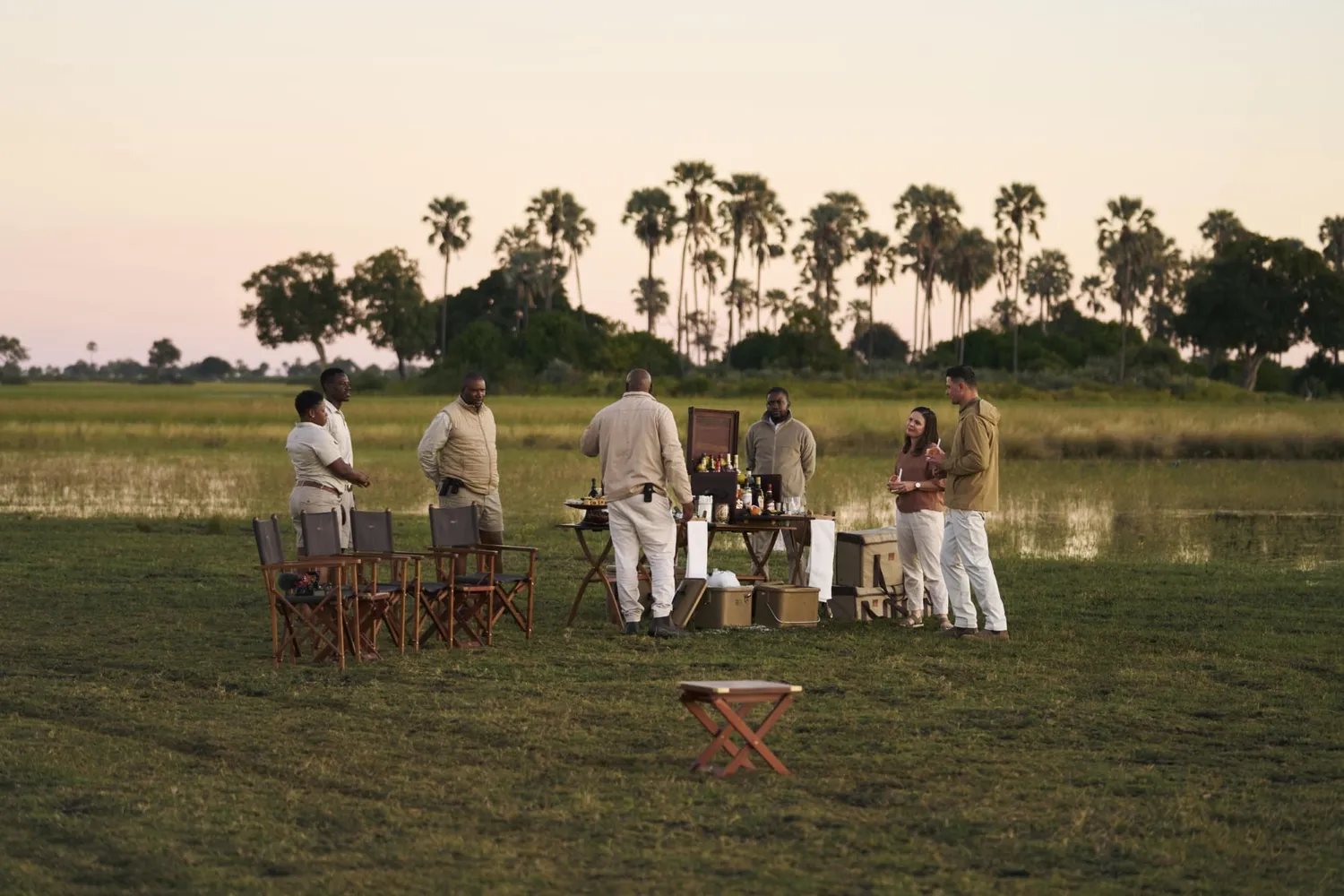
Our go-to approach is to follow a few basic guidelines.
Lightweight long sleeves and trousers in the evenings make a meaningful difference. Safari style already leans toward breathable cottons and linens in neutral tones, and that extra layer of coverage helps prevent unwanted bites.
A good insect repellent is worth packing, whether you prefer DEET, picaridin, or a plant-based option. Most camps provide repellent, but it’s helpful to bring your tried-and-tested brand for backup.
Changing into longer layers and applying repellent in the late afternoon before your evening drive is the way to go. Reapply before dinner if you’re sitting outdoors (which you definitely want to do). Closed shoes in the evening are also a smart choice. Mosquito repellant bracelets and anklets are useful to keep on hand and wear in the evenings.
If you’re visiting areas where tsetse flies are present, particularly in parts of East Africa, we recommend avoiding dark-colored clothing. And if you’re heading out on bush walks, ticks are something to be mindful of. Wearing light-colored socks pulled over your ankles makes it easy to spot a stray tick quickly.
These small habits make a big difference.
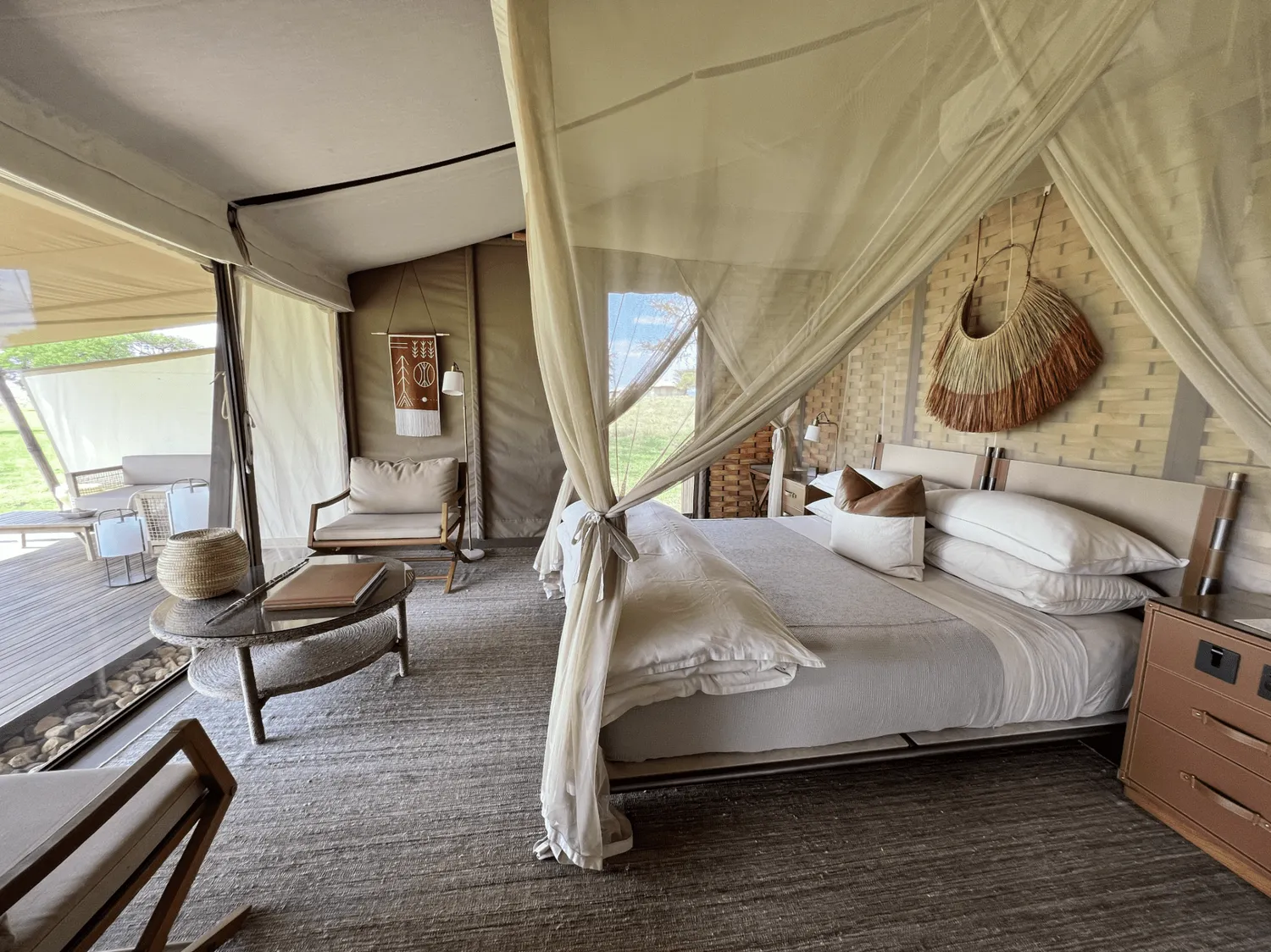
In regions where it is necessary (malaria risk), beds are fitted with mosquito nets.
Camps are also well prepared and have thoughtful measures in place to ensure your comfort. Rooms are typically sprayed before turndown, and fans or air-conditioning create airflow that insects naturally avoid. Tent zips, screened doors, and well-designed interiors all play a role to reduce the presence of mosquitoes and other bugs.
Some safari regions are in malaria areas, others are not.
If malaria is something you’re concerned about, there are ways to plan thoughtfully. Traveling in the cooler, drier months can reduce risk considerably. There are also excellent malaria-free reserves in South Africa that offer exceptional safari experiences without that consideration. And of course, consulting your travel doctor ensures you choose the most appropriate approach for your personal needs.
Clear information and smart planning go a long way.
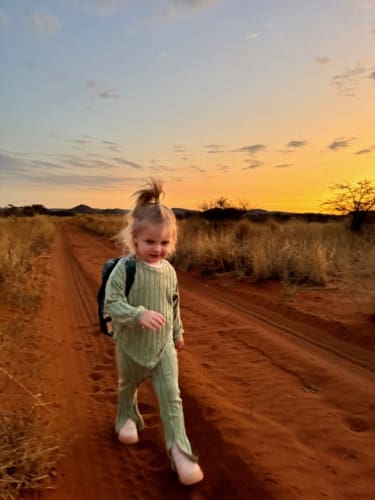
With children, it’s often more about rhythm than anything else. Little ones are usually indoors earlier in the evening, naturally avoiding peak mosquito hours.
Lightweight long pajamas for dinner and bedtime help, and age-appropriate repellent can be applied carefully to exposed skin. Family suites and villas are typically well set up with secure nets and screened interiors, making evenings feel easy and comfortable.
For parents who prefer additional peace of mind, malaria-free reserves in South Africa offer an exceptional alternative with family-friendly options.
In truth, most children are far more focused on spotting elephants than noticing the occasional mosquito.
- Are mosquitoes bad on safari? In most safari destinations, mosquitoes are manageable with simple precautions and rarely affect the overall experience.
- Do luxury safari camps provide mosquito nets? Yes. Most luxury safari camps provide mosquito nets where appropriate and prepare rooms carefully before turndown.
- What is the best mosquito repellent for safari? Repellents containing DEET or picaridin are widely recommended. Plant-based options are also available if you prefer a natural alternative.
- Should I take malaria tablets for safari? This depends on your destination and personal health profile. Always consult your travel doctor and plan according to professional medical advice.
A few tried-and-tested essentials can make prevention feel effortless, especially when you’re moving between flights, game drives, and dinners outdoors.
Buggy Bands are a quick and easy way to add an extra layer of protection. Simply wear them on your wrists or ankles; particularly helpful when traveling with children.
Boogie Insect Repellent Lotion is a great alternative to traditional DEET options. It’s odor-free, lightweight, and less greasy, making it easy to use throughout the day.
Primally Pure Bug Spray is a good choice if you prefer a completely natural option that is easy to apply.
Badger Bug Repellent Stick is ideal to keep in your day bag. It’s compact, mess-free, and easy to apply on the go, with no risk of leaking during travel.
Safari is about open skies, early mornings, and time spent deeply connected to nature. Mosquitoes are simply part of the wild…predictable, manageable, and never the defining feature of a well-planned trip. With the right preparation and the right team guiding you, they remain exactly what they should be: background noise.

