


At some point in life, many people have thought about climbing Mount Kilimanjaro. Sometimes it’s a fleeting idea; other times, it’s a dream you just can’t shake.
But like many big ambitions, it’s easy to put off…when life is quieter, when you’re fitter, when the timing feels right. In 2024, Briarley, our YPA Operations Manager, finally climbed Kilimanjaro alongside two close friends, turning a long-held dream into an unforgettable experience.
Climbing Kilimanjaro isn’t just about deciding to go and booking a flight. Route choice, training, preparation, and mindset all play a role, and the journey begins long before you set foot on the mountain. To make it feel a little less daunting, we’ll take you through that process, sharing insights from Briarley’s experience (and what we’ve learnt along the way) to help make this iconic challenge feel entirely achievable.
You’ve decided to take the leap, the next decision is which route to take and it’s an important one. Kilimanjaro offers several routes to the summit, each with a different pace, scenery, and success rate. The right choice shapes not just your chances of reaching the top, but how you experience the mountain along the way.
For most people, the decision comes down to time and budget. Shorter routes mean fewer days on the mountain and a smaller financial investment. They’re popular for good reason. But they also tend to be busier, with more foot traffic and crowded camps, and the faster pace can make acclimatisation more challenging.
Longer routes, typically six to seven nights, require more time and financial commitment. The reward is a slower rhythm, quieter trails, and more time for your body to adjust to the altitude. That extra time can make the experience feel steadier and more enjoyable.

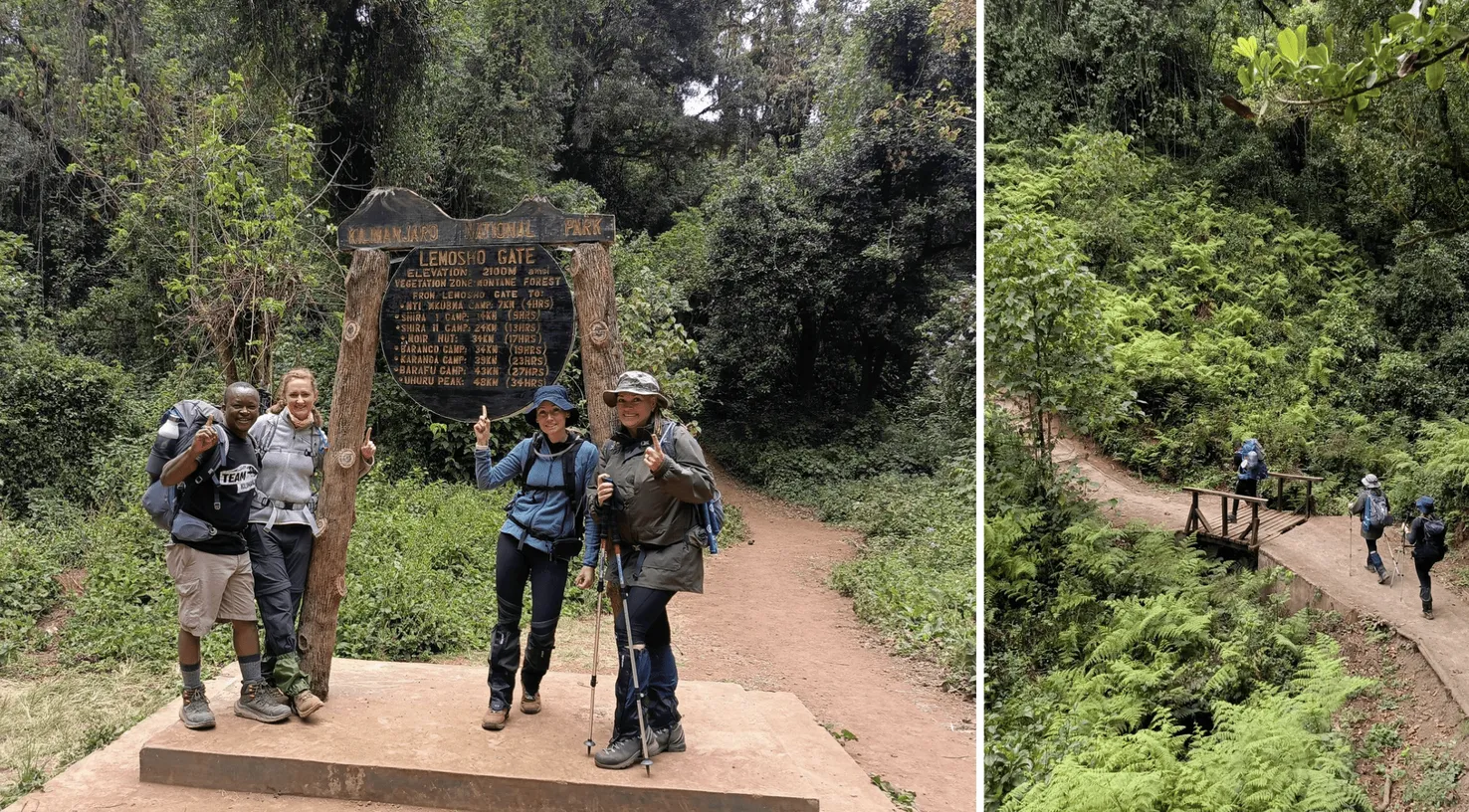
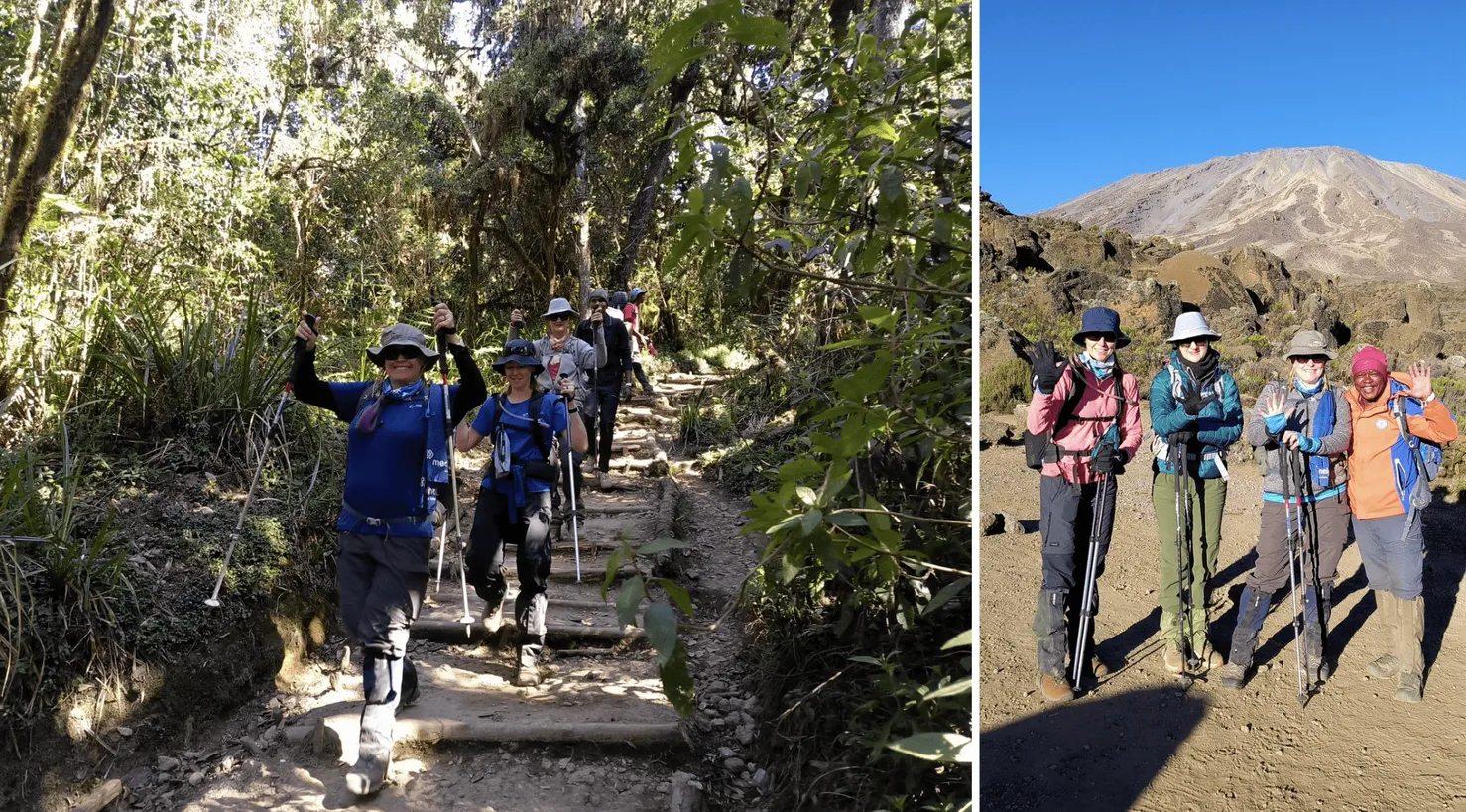
Briarley chose the longer Northern Circuit via the Lemosho route, and it shaped her climb in the best way. The early days wound through lush forest, where she spotted birds and colobus monkeys and felt, in her words, like she was walking through a nature documentary. As the days passed and the altitude gradually increased, there was space to settle into the routine of hiking, resting, and simply being on the mountain. Even summit day felt more peaceful for much of the ascent, before all routes eventually converge for the final stretch to Uhuru Peak.
The thing to remember is that there isn’t a “best” route, only the one that suits you. Your fitness level, hiking experience, time available, and what you want from the journey should all guide the decision.
Once your route is set, the focus shifts to preparation. Climbing Mount Kilimanjaro isn’t about being an elite athlete, but it does require consistency. The goal isn’t speed; it’s stamina.
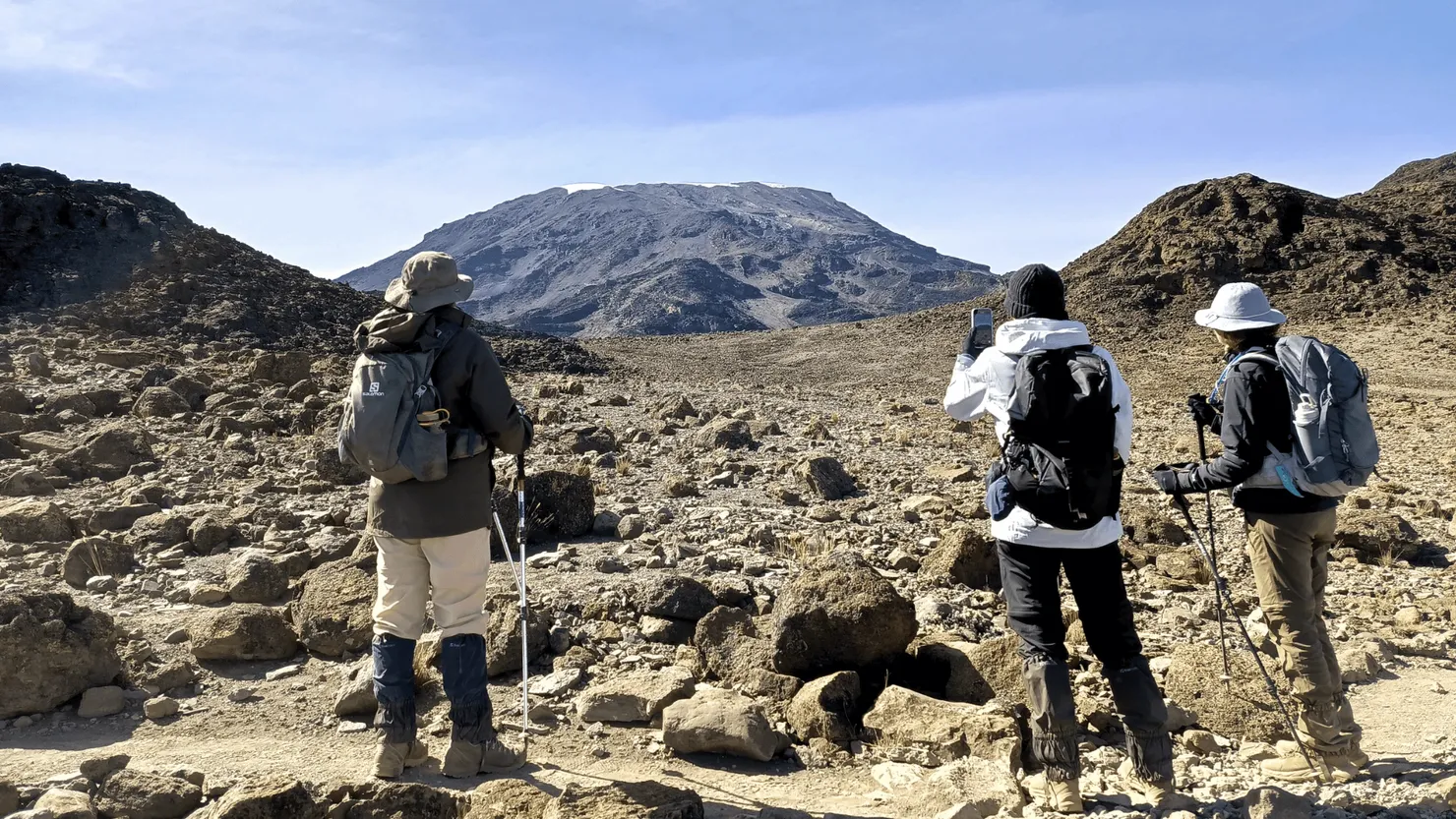
For Briarley, training became part of the rhythm of daily life in the months leading up to departure. Building walking into everyday routines, paired with longer hikes on weekends, helped grow her confidence and mentally prepare her for consecutive days on her feet.
Preparation also means understanding the practical details: investing in good boots and breaking them in properly; learning how layering works so you can adjust to changing temperatures; packing thoughtfully so you’re comfortable but not overloaded. These small decisions make a significant difference once you’re on the mountain.
And then there’s mindset. Altitude affects everyone differently. Some days feel strong; others feel slow. Accepting that pace is part of the experience allows you to settle into the climb rather than work against it. The more prepared you are before you go, the more present you can be once you’re there.
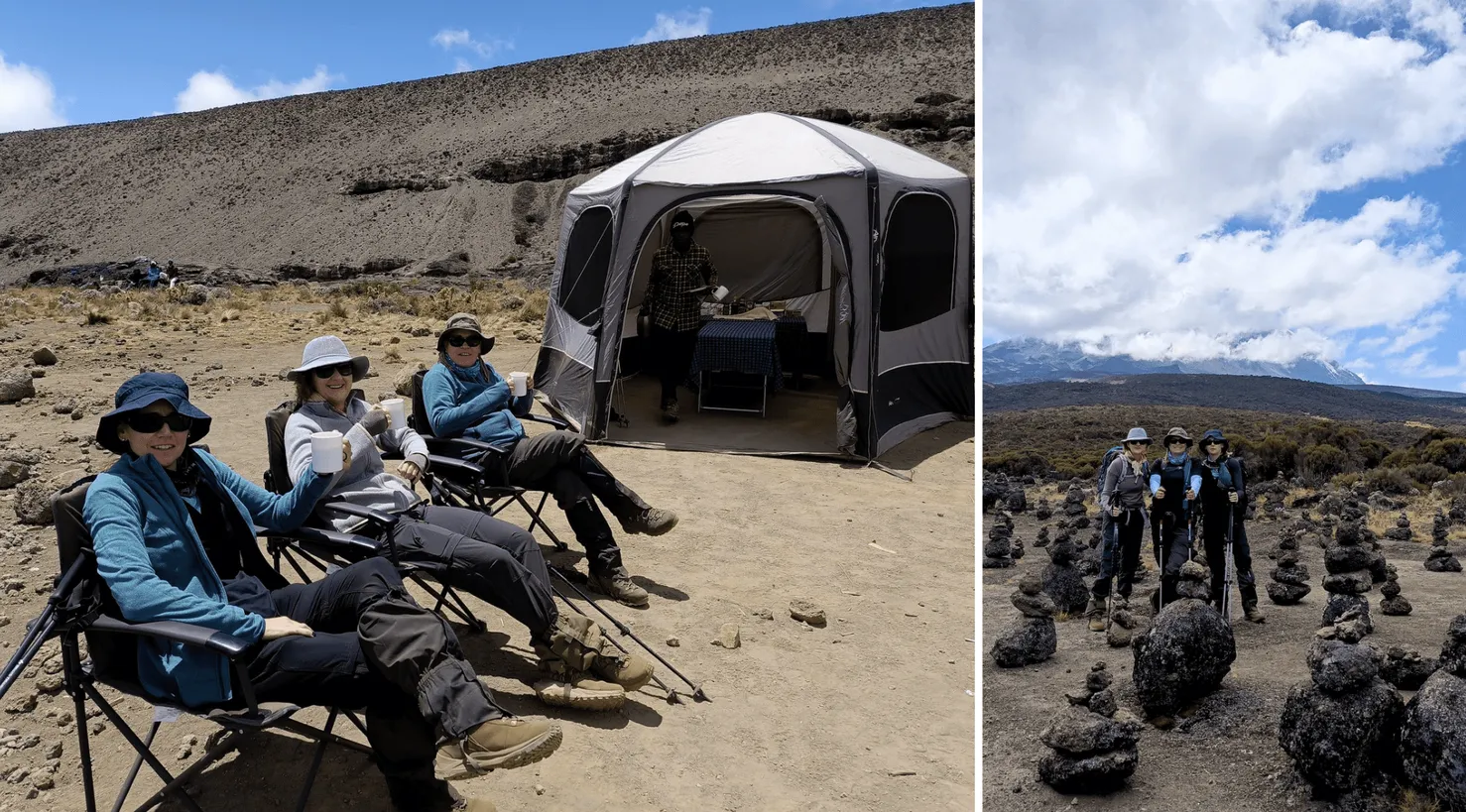
Life on the mountain is surprisingly simple. You wake with the light, sip something warm, and begin walking. The pace is steady and deliberate, or “pole pole,” as the Tanzanian guides say. Slowly, slowly.
Each day brings a new environment. Lush forest gives way to open moorland, then wide alpine plains, and eventually the starkness of high altitude. There’s a quiet satisfaction in reaching camp each afternoon, boots off, tea in hand, soaking in the view.
One of the unexpected highlights for Briarley was the sense of camaraderie. Your guides and porters are the constant; encouraging, steady, joyful. Fellow hikers, whether friends or strangers at the start, share the same goal and the same small triumphs along the way.
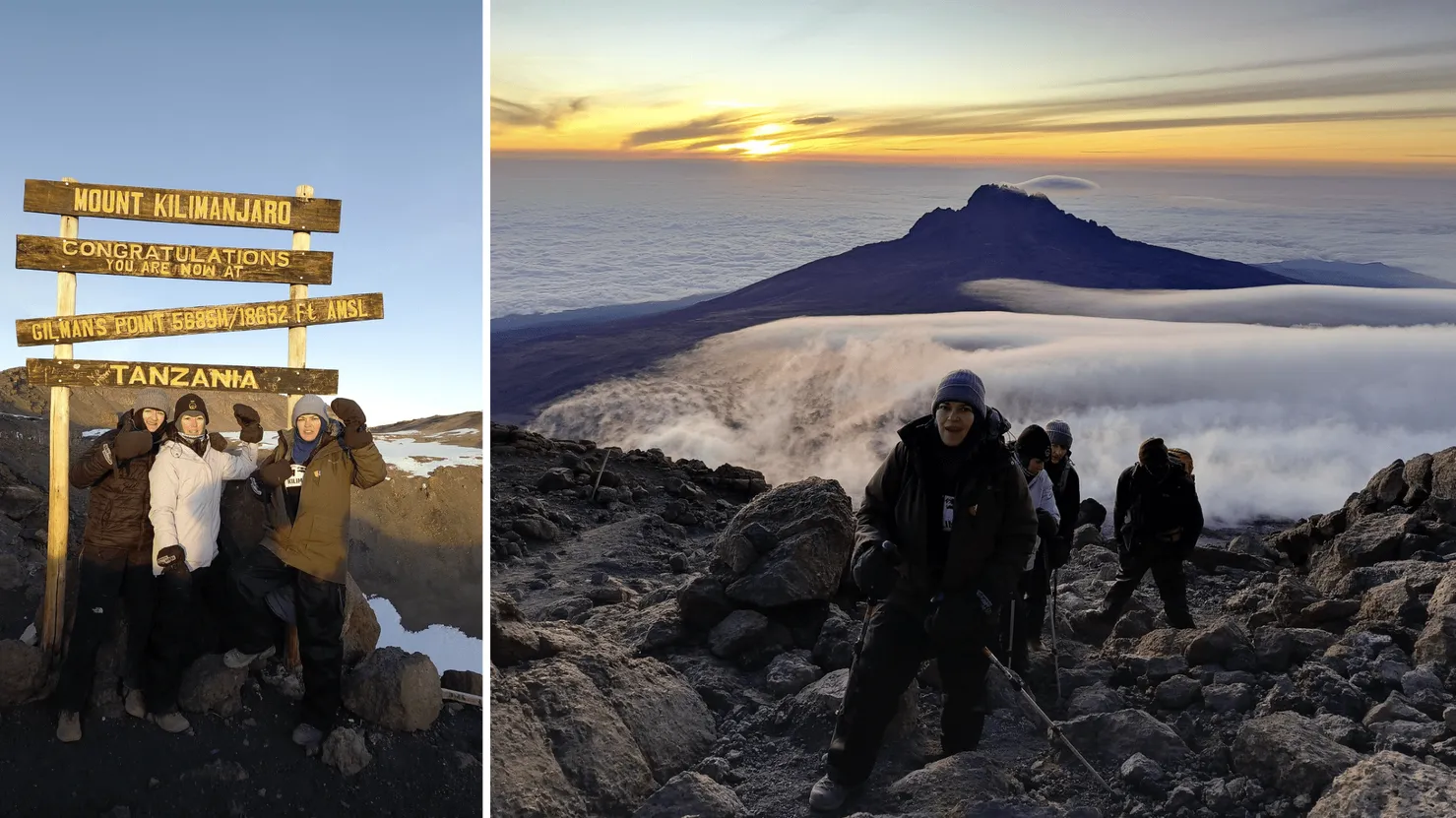
And then there’s summit night. It begins in the dark…layers on, headlamps flickering, the air thin and freezing. It’s not glamorous. But step by step, as the sky begins to lighten and the horizon softens, you find strength you didn’t know you had. Reaching Uhuru Peak feels less like conquering a mountain and more like honoring the journey it took to get there. It’s hard not to feel a sense of awe.
Life on Kilimanjaro strips things back to the essentials: walk, rest, eat, repeat. In that simplicity, there’s space to think, to connect, and to realise you’re capable of more than you imagined.
After her time on Mount Kilimanjaro, these are a few things Briarley would pass on to anyone considering the climb:
- Invest in your preparation. The training, the mindset, and the confidence you build beforehand make a huge difference once you’re on the mountain.
- Pack a hydration bladder. Being able to sip water consistently without stopping is key, especially at altitude.
- Trust your guides completely. They are professionals. They’ve done this countless times. Listen to them, lean on them, and let them set the pace.
- Think smart about layering. Warmth is essential, but bulky isn’t always better. Choose light, functional layers that allow you to move freely and stay comfortable.
- Test your gear before you go. Break in your boots. Make sure your headlamp works well. Choose a beanie that doesn’t itch, a reliable cap, and a buff to keep dust at bay. The small details matter more than you think.
- A dark manicure goes a long way. A simple one, but after days on the trail, you’ll be glad you did.
When people picture climbing Mount Kilimanjaro, they often imagine the bare minimum; basic tents, limited facilities, and a true roughing-it experience. While it is absolutely an expedition, the reality can be far more considered than many expect.
Climbs can be planned privately and tailored to your group, whether you’re travelling solo, with a partner, or as a team of ten. It’s possible to incorporate private toilet tents, portable showers, and even solar charging stations for essential electronics. Tents are spacious, sleeping arrangements are comfortable, and the food prepared on the mountain often surprises people most.
With thoughtful planning, you can feel supported rather than stretched. The goal isn’t to make Kilimanjaro easy. It’s to create the right environment so you can focus on the experience, not just endure it.
Climbing Mount Kilimanjaro will always feel like a big dream. But with the right preparation, the right route, and the right support, it becomes entirely possible. If this is something that has been quietly sitting on your list, perhaps this is the year to take the first step and we’d love to help you turn that idea into a plan – get in touch.

